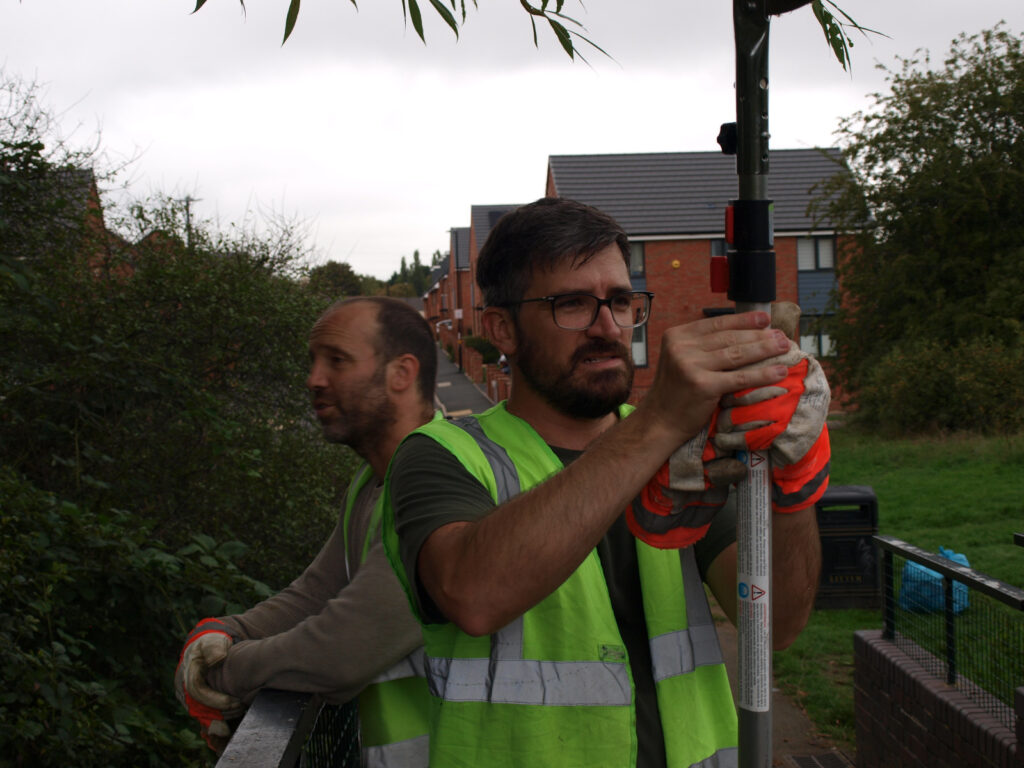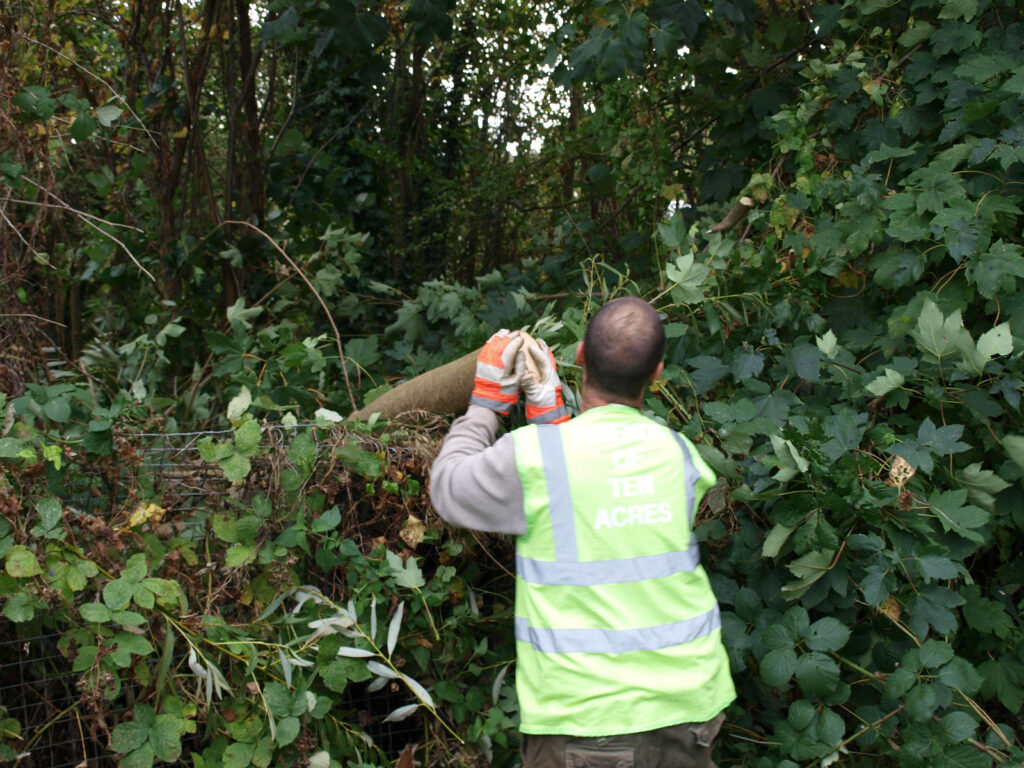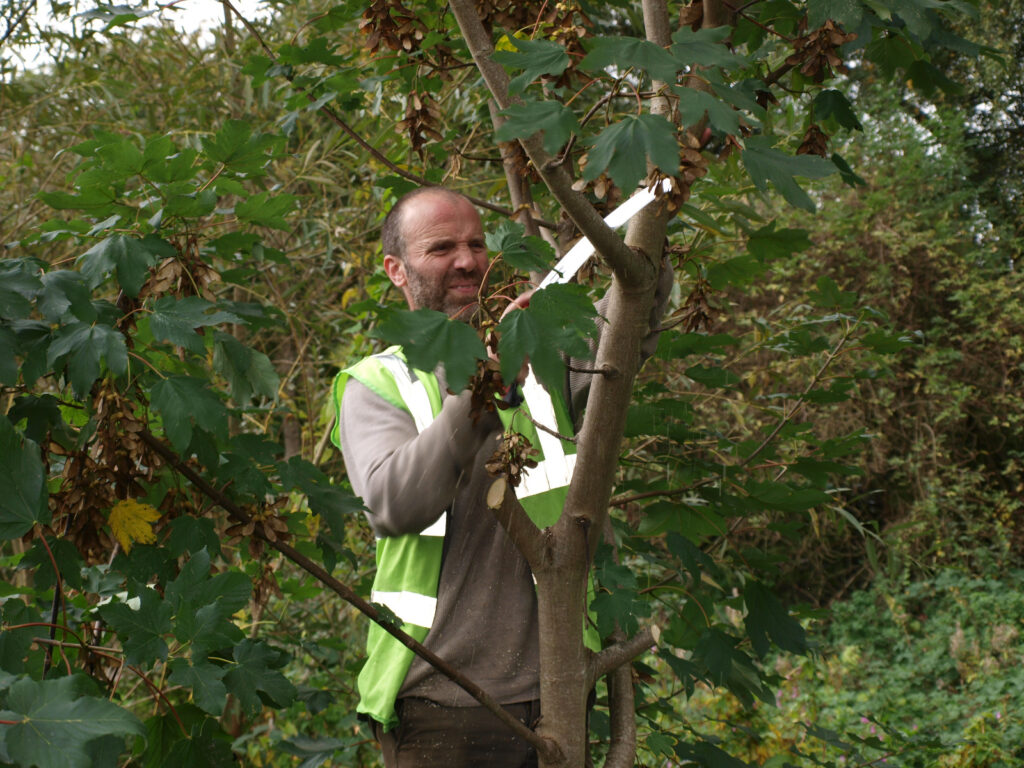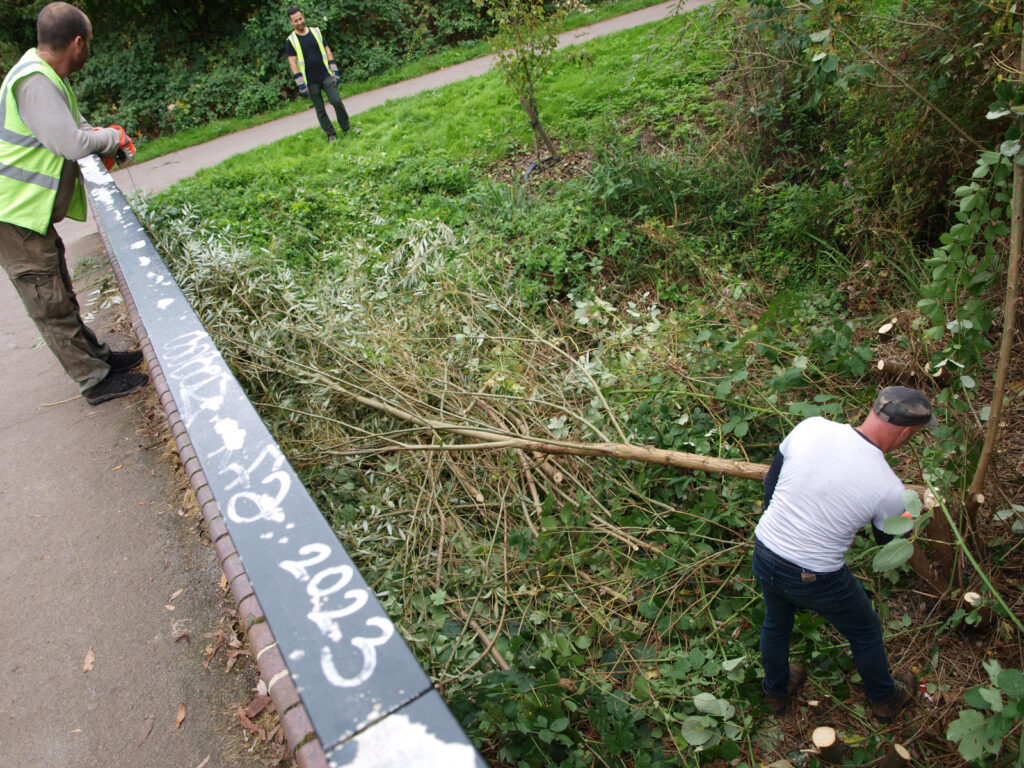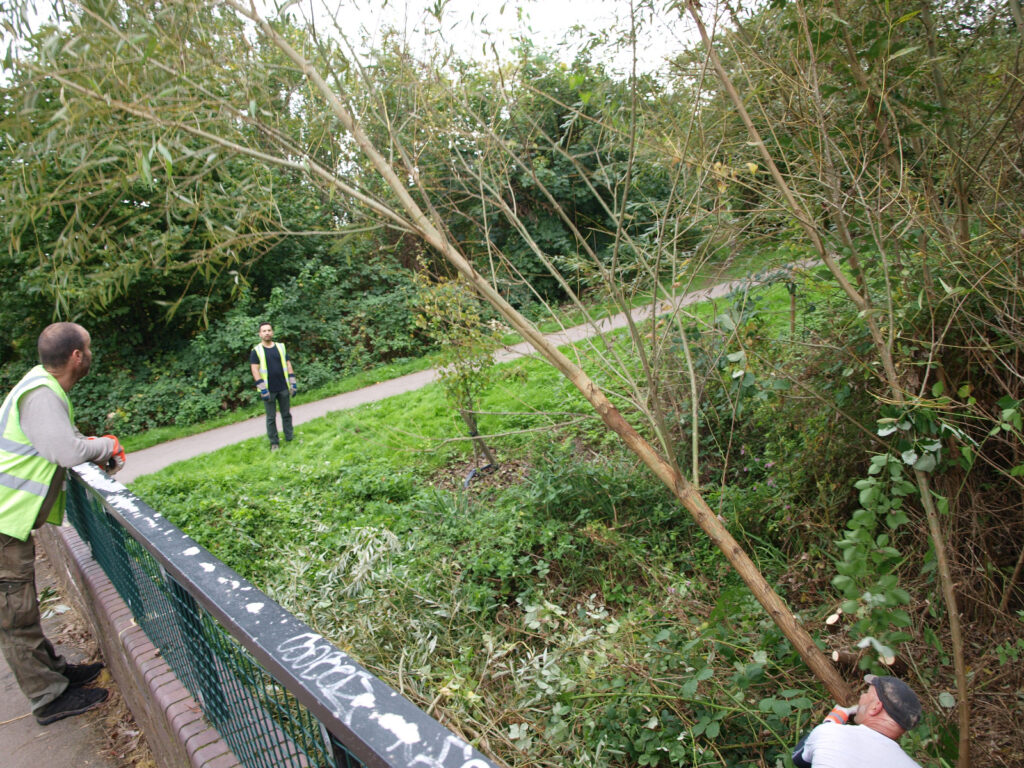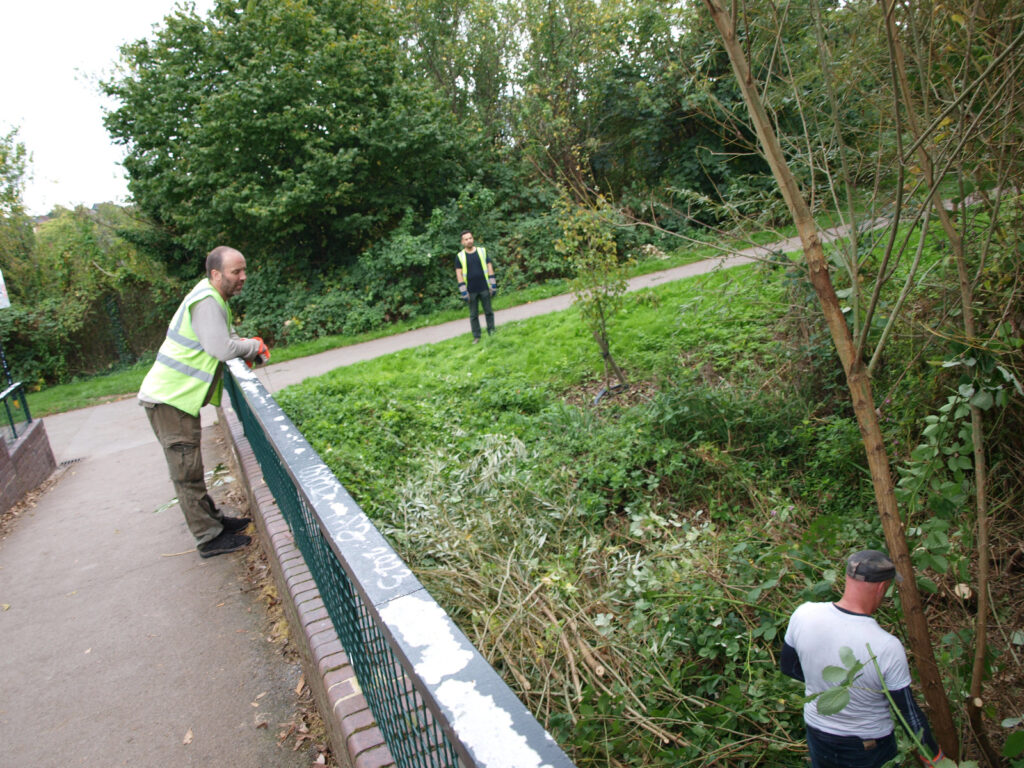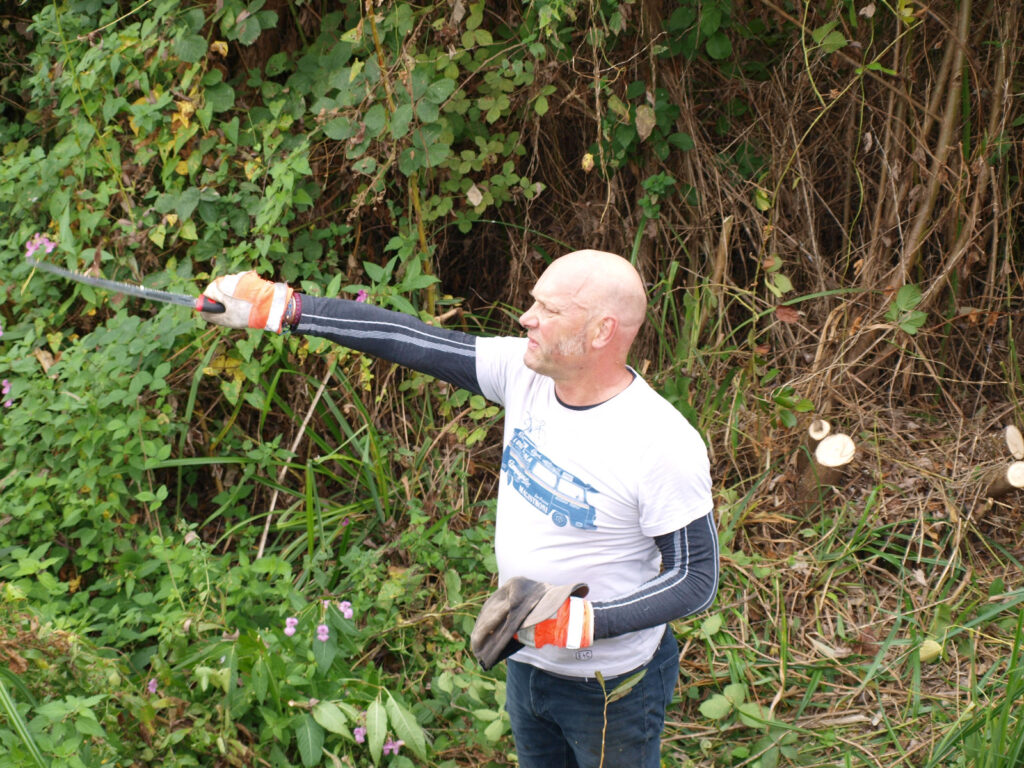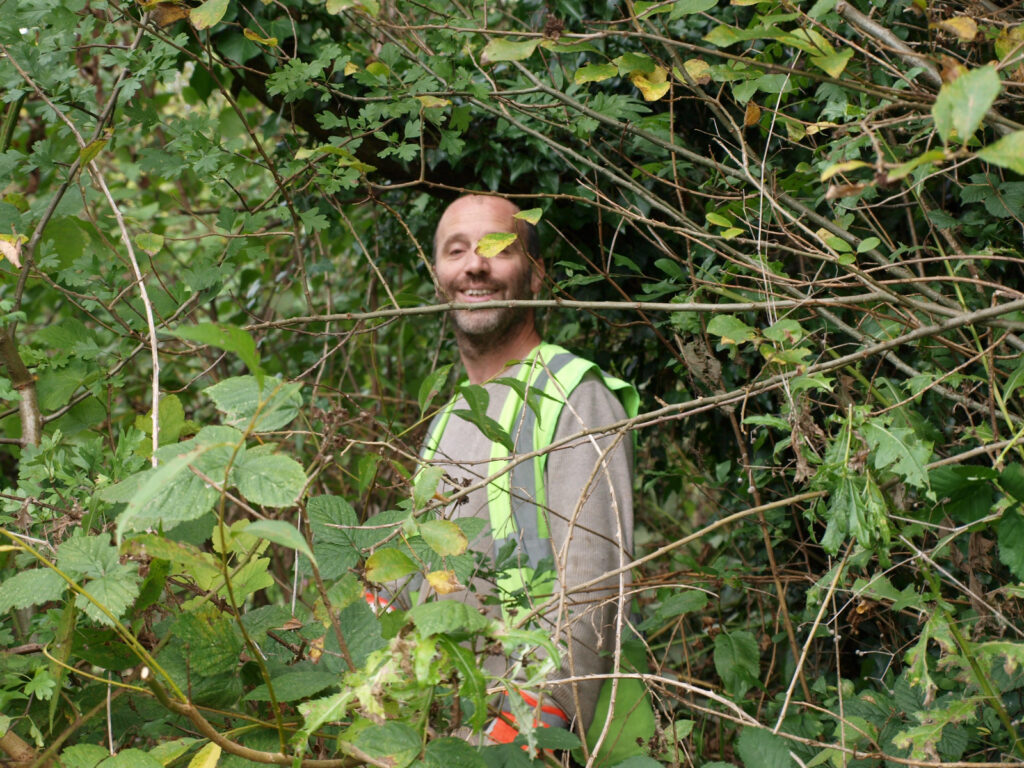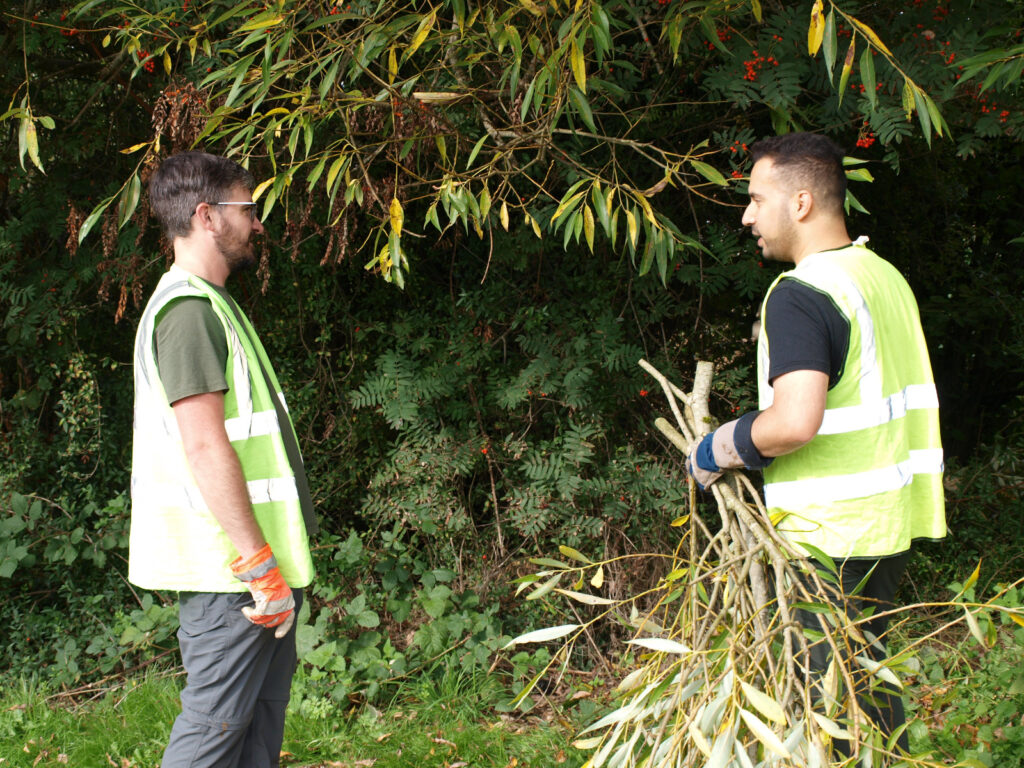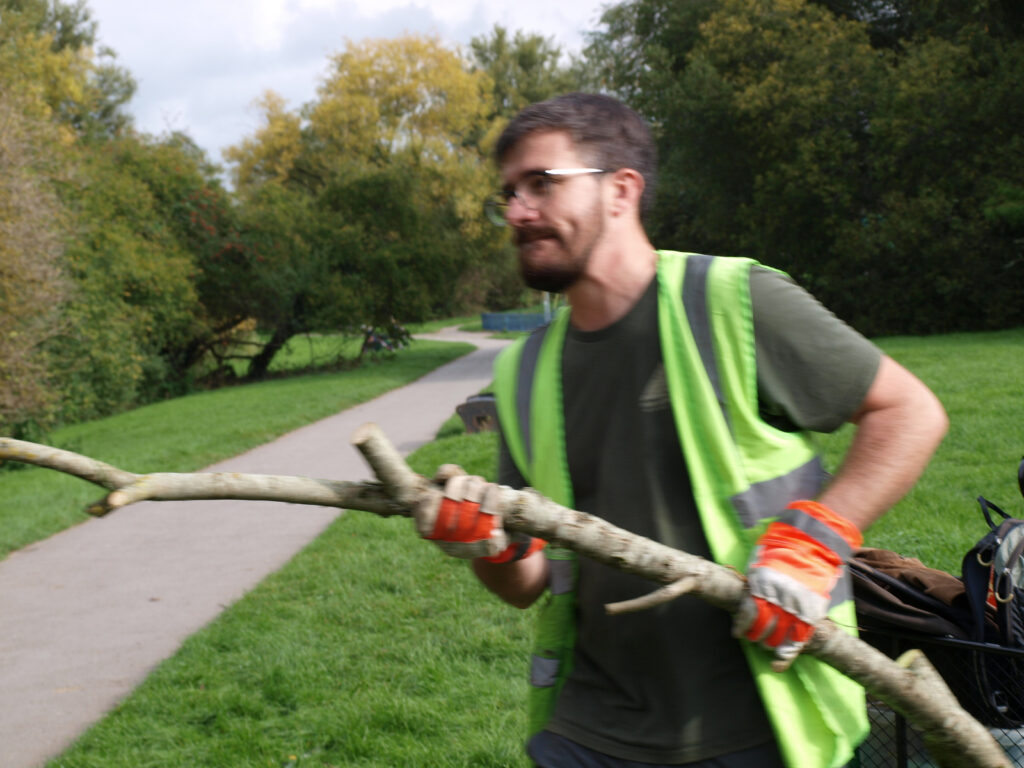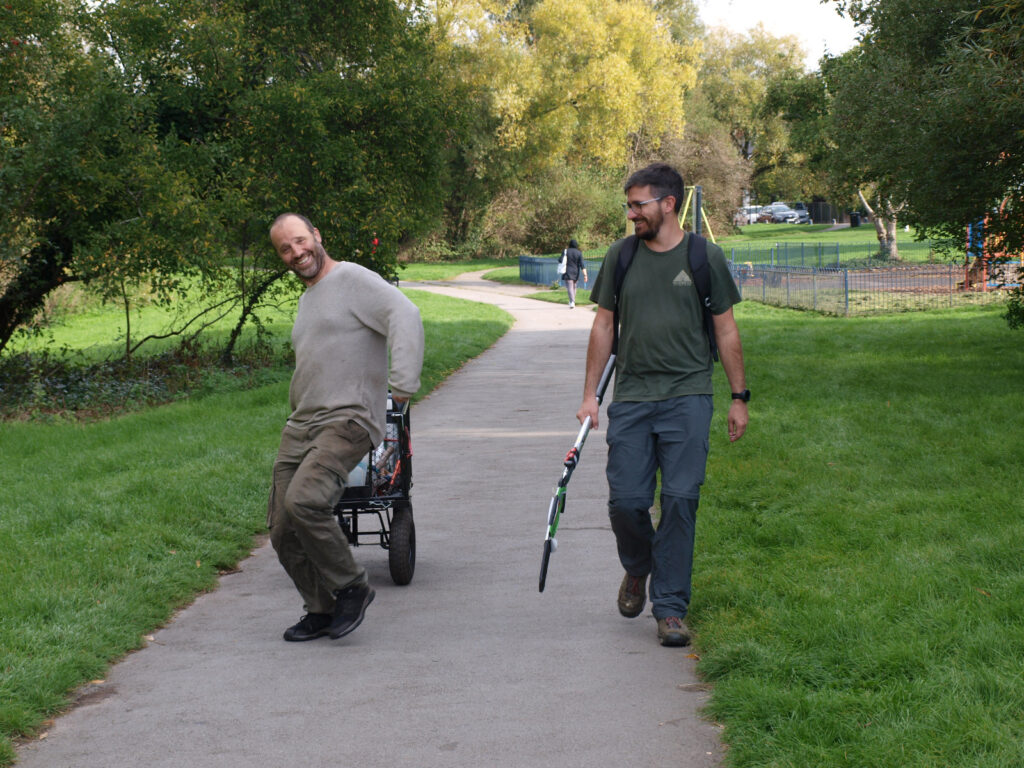
Friday saw the Friends of Rea Valley volunteers back out along the River Rea for another practical conservation session, made possible thanks to AFA and Lottery funding.
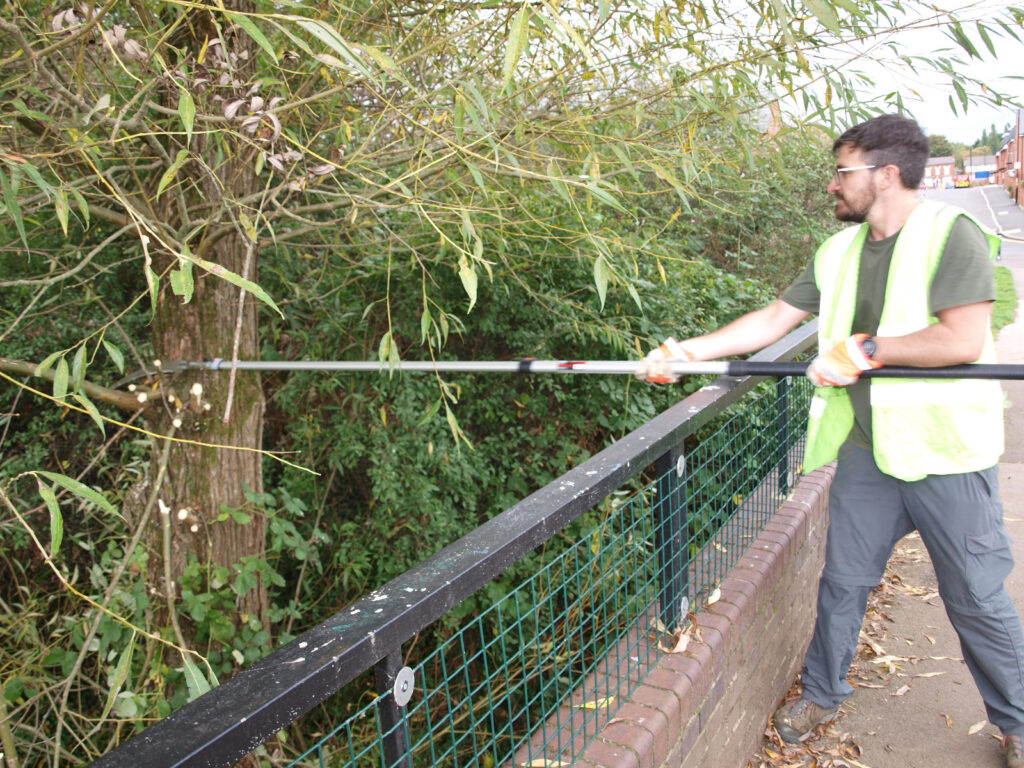
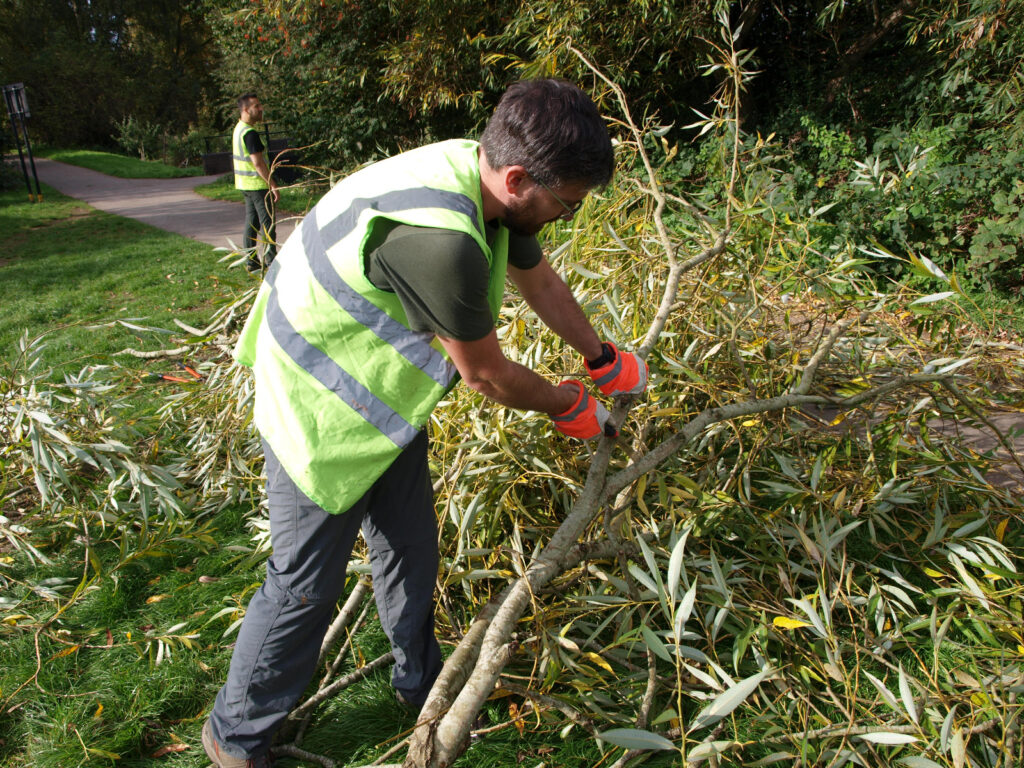
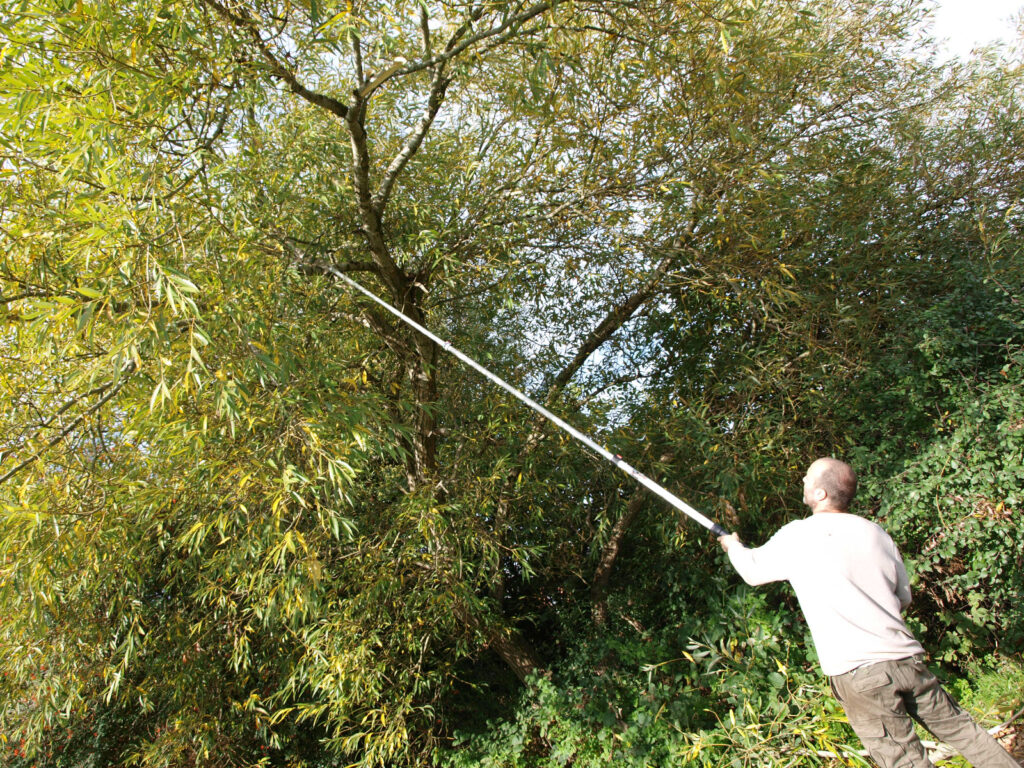
This time, our attention turned to the willow trees growing along the river, where there was a mixture of storm damage and general pruning work that needed to be carried out.
Responding to Storm Damage
The weather can be tough on trees, particularly those growing alongside an exposed river corridor. Strong winds can break branches, create hanging limbs and leave damaged growth that needs to be dealt with before it becomes a bigger problem.
Our volunteers spent time working through the affected trees, removing damaged and unsuitable branches and carrying out general maintenance where appropriate.
It might not always be the most glamorous side of conservation, but this kind of practical work is an important part of looking after an urban river environment.
Regular maintenance helps us keep an eye on the condition of the trees and deal with problems as they arise, rather than allowing storm damage and neglected growth to accumulate over time.
Why Willow Trees Matter
Willows are a familiar sight along waterways, and they have an important role to play within the River Rea corridor.
Their branches and foliage provide shelter and habitat for a variety of wildlife, while their presence contributes to the character of the river and helps create a greener, more connected landscape through our urban neighbourhoods.
Trees along the river also form part of a wider wildlife corridor, allowing nature to move through the city. What can look like a simple line of trees from the path is actually part of a much bigger network of habitats, vegetation and waterways.
That is why maintaining these areas is about more than simply making them look tidy.
Conservation in an Urban Environment
The River Rea runs through a heavily urbanised part of Birmingham, which makes protecting and improving the green spaces alongside it particularly important.
Our volunteers regularly work across the Rea Valley, carrying out everything from pruning and vegetation management to clearing pathways, maintaining gardens and improving habitats.
These sessions are hands-on and practical. They are also a chance for local people to become directly involved in caring for the places on their doorstep.
There is a real difference between simply having green space nearby and having a community that actively cares for it.
Funding Makes This Work Possible
We are incredibly grateful for the Lottery funding and support through AFA, which helps us continue carrying out this essential practical work.
Funding like this allows volunteers to have access to the equipment, resources and support needed to tackle projects that would otherwise be difficult to undertake.
It means we can respond to issues such as storm damage while continuing with the ongoing maintenance needed across the River Rea corridor.
And importantly, it allows local volunteers to be part of that work.
Another Friday Well Spent
A huge thank you to everyone who came along on Friday and got stuck into the willow work.
Conservation is rarely about one big job. It is the accumulation of lots of smaller pieces of work — a damaged branch removed, a tree maintained, a pathway cleared, an overgrown area brought back under control.
Over time, those small jobs make a real difference.
Branch by branch, tree by tree and session by session, we’re continuing to care for the River Rea and the wildlife