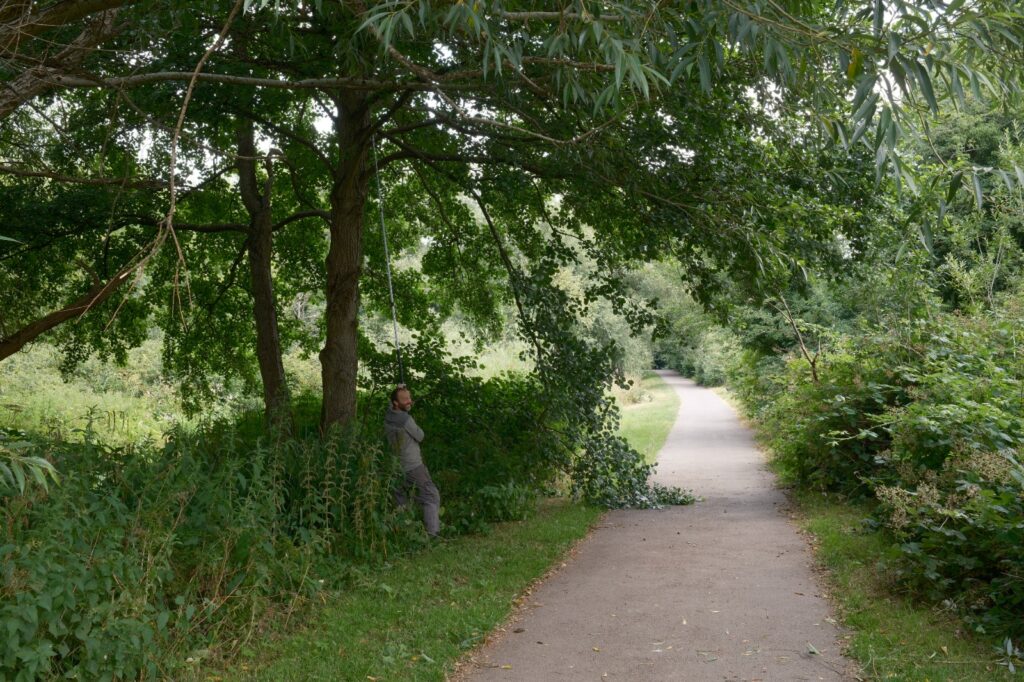
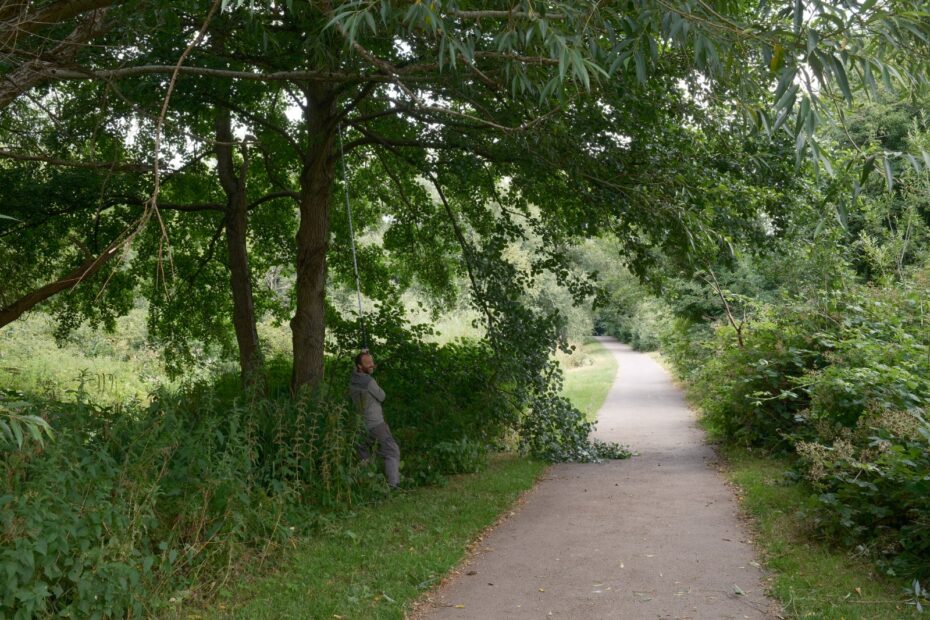
Last Friday our dedicated volunteer team was back out along the River Rea, tackling one of the most important ongoing jobs in maintaining our local green space—clearing fallen and overhanging branches from paths and riverbanks.
Following periods of windy weather and natural tree growth, several branches had either fallen across the footpaths or were hanging precariously above them. These not only make it difficult for walkers, cyclists and families to enjoy the riverside paths, but they can also pose a genuine safety risk if unstable limbs fall without warning.
Keeping public access open is one of the core responsibilities of our volunteer task force. By regularly inspecting the paths and removing obstructions, we help ensure that everyone can continue to enjoy the River Rea safely throughout the year. Whether you’re out for a morning walk, exercising the dog, cycling to work or simply enjoying nature, clear and safe paths make a huge difference.
Why are there so many fallen branches?
One of the main reasons is the abundance of crack willow (Salix fragilis) growing along the River Rea.
Crack willow is a familiar sight beside rivers and streams throughout the UK. It grows extremely quickly and thrives in damp conditions, making it well suited to riverbanks where its roots help bind the soil together and reduce erosion.
However, the tree has one significant drawback—it is naturally brittle.
Its common name comes from the distinctive cracking sound made when branches snap from the tree. Even relatively healthy-looking limbs can break off during strong winds or simply under their own weight. This means that branches frequently fall onto nearby footpaths or into the river, especially during winter storms or after prolonged wet weather.
While this may seem alarming, it is actually part of the tree’s natural life cycle. Crack willow has evolved to reproduce through broken branches, many of which can take root when they land on damp ground or in the water.
Why regular pruning is important
Rather than removing these valuable riverside trees altogether, regular maintenance is the best approach.
Selective pruning helps to:
- Remove damaged or unstable branches before they fall.
- Keep footpaths open and safe for the public.
- Maintain sightlines along the paths.
- Prevent excessive branches from obstructing the river flow.
- Encourage healthier, more balanced tree growth.
This work needs to be carried out carefully to protect both wildlife and the health of the trees. Our volunteers only remove branches that present a hazard or obstruct access, helping strike a balance between conserving the natural environment and making the area welcoming for everyone.
Community volunteers making a difference
Every volunteer session contributes to keeping the River Rea a place that the whole community can enjoy. From clearing paths and removing litter to managing vegetation, these regular tasks make a visible difference and help protect this important green corridor.
We are incredibly grateful to everyone who gives up their Friday mornings to lend a hand. Their commitment keeps the river accessible, safer and more enjoyable for local residents and visitors alike.
Join Us
If you’d like to get involved, we’d love to welcome you.
Our volunteer sessions take place every Friday from 10:00am until 2:00pm.
We meet at the Ten Acres noticeboard, and no previous experience is necessary. Whether you can stay for an hour or the whole session, every helping hand makes a real difference.
Simply send us a private message for more information—we’d be delighted to see you at a future session.